
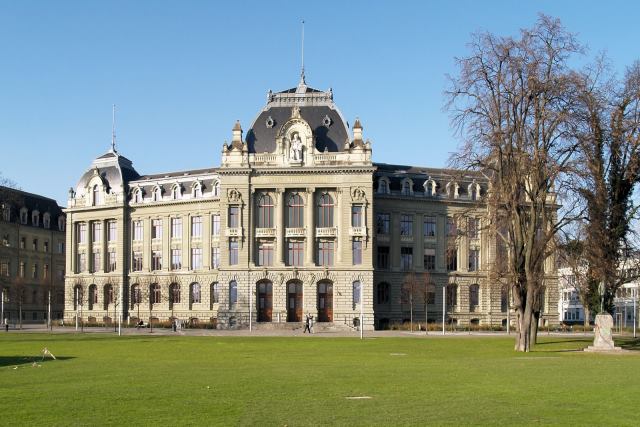
Cardiff University opened its doors in 1883. It is a member of the prestigious Russell Group. The Research Excellence Framework 2014 placed the university in the UK top 5, with 87% of its research rated "world-leading" or "internationally excellent". It has received several Queen's Anniversary Prizes for pioneering research - in groundwater pollution and contamination; in reducing the harm caused by violent assaults; and in genetic diseases, their diagnosis and treatment. The university is also proud of its 2 Nobel laureates. Cardiff University is ranked 31st in the UK and 123rd in the QS World University Rankings 2015/2016. It is the best university in the country for physiotherapy and is among the top 10 universities for anatomy, architecture, speech therapy, media studies, dentistry, geography, marketing, medical technology, medicine, pharmacy and town planning.
Cardiff is the capital and largest city of Wales. National Geographic ranked it 6th on its list of the most desirable travel destinations. This is no accident, because Cardiff has it all - a long and rich history, cultural attractions and a lively commercial center. On one side it is bordered by the wild, majestic sea, and on the other by the beautiful, remarkable countryside. Recently the city has undergone major regeneration, developing its harbor and restoring many buildings. This makes Cardiff one of the modern, forward-looking European cities that keep pace with the times. Compared to many other capitals, the cost of living in Cardiff is considerably lower.
Main programs and majors (For a detailed list, contact an NGB Consulting advisor)
- Accounting and Finance
- Ancient History
- Archaeology
- Architecture
- Banking and Finance
- Biochemistry
- Biomedical Science
- Biotechnology
- Business Information Systems
- Business management
- Chemistry
- Civil Engineering
- Computer Science
- Computing and Mathematics
- Criminology
- Dentistry
- Diagnostic Radiography and Imaging
- Earth Science
- Ecology
- Economics
- Education
- Electrical and Electronic Engineering
- English Studies
- Environmental Geosciences
- Exploration and Resource Geology
- Genetics
- Geography
- Geology
- History
- Human and Social Sciences
- Integrated Engineering
- International Relations and Politics
- Journalism
- Law
- Marketing
- Maritime Studies
- Mathematics
- Mechanical Engineering
- Medicine
- Microbiology
- Modern Languages
- Molecular Biology
- Music
- Nursing
- Occupational Therapy
- Operating Department Practice
- Optometry
- Pharmacy
- Philosophy
- Physics
- Physiotherapy
- Politics
- Psychology
- Religious Studies
- Social Analytics
- Social Science
- Sociology
- Translation
- Zoology
Key information
Duration of study:
3-5 years for Bachelor's programs
1-2 years for Master's programs
Academic year:
2 semesters - September and January
Start of the year:
September and January (for some programs only)
Application deadline:
October 15 for medicine and dentistry
January 15 is the recommended deadline for most majors. Final deadline - June 30, but those applications will not be given priority.
There is no deadline for Master's and PhD/doctoral programs, but the university advises applying as early as possible.
Admission requirements:
High school diploma with a GPA between 5 and 6, depending on the major. For Master's and doctoral programs, a Bachelor's or Master's degree, respectively, with a grade at least equivalent to the British Lower Second 2:2, depending on the major.
IELTS
For Bachelor's programs, between 6.5-7.5, depending on the major. For Master's programs, a minimum of 6.5
TOEFL
For Bachelor's and Master's programs, between 90-109, depending on the major. For Master's programs, a minimum of 90
Cambridge English: Advanced/Proficiency
For Bachelor's programs, a minimum of 176, depending on the major. For Master's programs, a minimum of 176 (C)
Scholarships and loans
The tuition fee for Bachelor's programs is £9,000. Tuition fees for Dental Hygiene, Dental Therapy, Nursing and Midwifery, Occupational Therapy, Physiotherapy, Radiography and Radiotherapy are covered by the NHS. All students in the above programs, except Nursing and Midwifery, will also receive financial support for their living costs. The NHS covers the 5th and 6th years of Medicine and Dentistry. The Welsh Government provides a non-repayable grant of £5,190 toward the fee, and a loan with favorable repayment terms can be taken out for the remainder.
Master's and doctoral programs cost between £5,850 and £11,475. Getting a loan for them is more difficult, but not impossible.
Accommodation:
University residence halls cost between £2,915 and £3,400 per year, depending on the hall and room type. Accommodation in a house or apartment outside the university residence halls costs between £2,880 and £3,210 per year.